
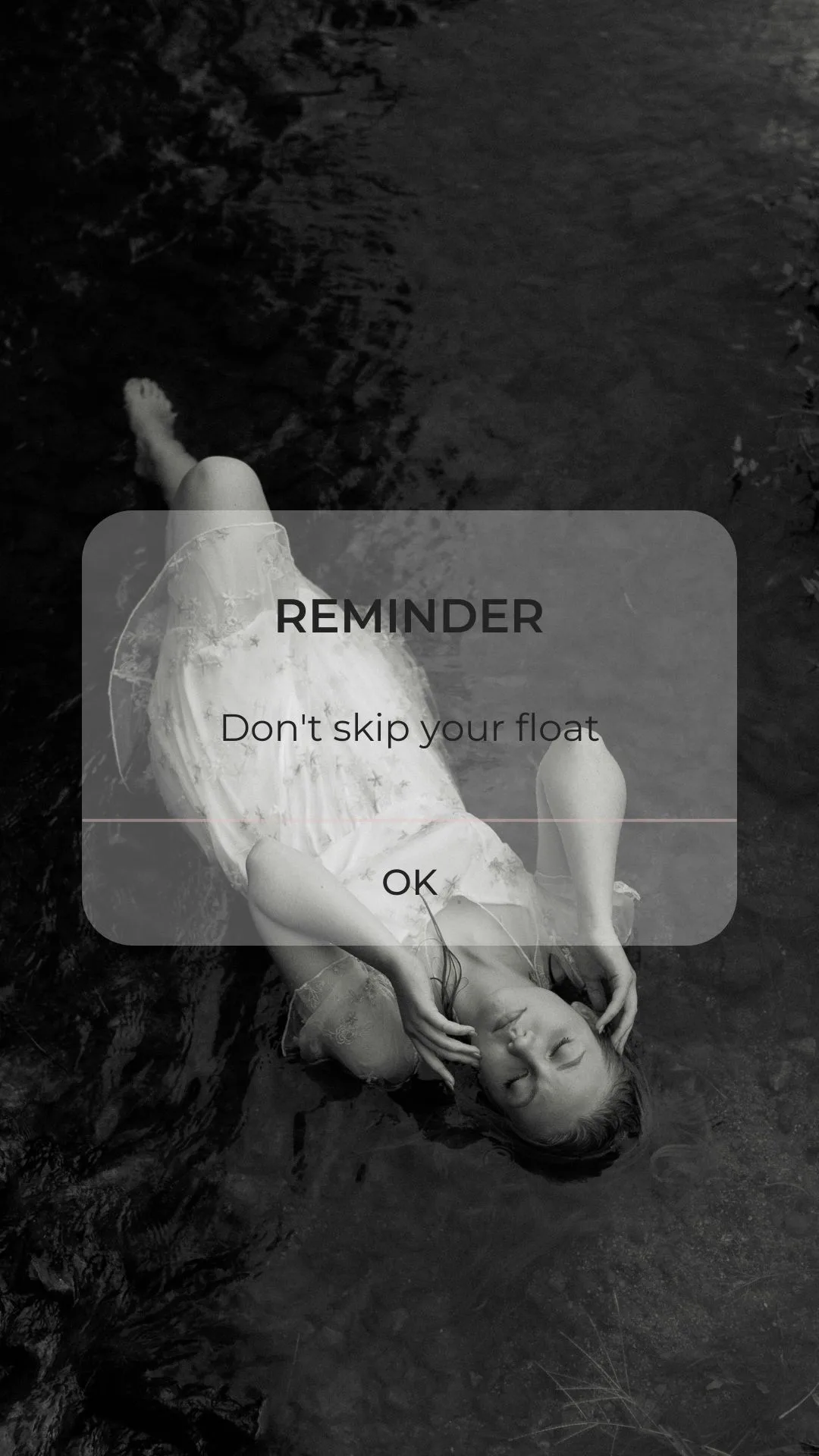
Embrace Tranquility: Discover the Calming Power of Sensory Deprivation
Imagine stepping away from the noise and bustle of everyday life into a serene space designed to quiet your mind. In this guide, you’ll explore how sensory deprivation therapy creates a sanctuary where reduced sensory input leads to profound mental clarity and stress relief. This approach helps ease anxiety by removing distractions that often contribute to overwhelming day-to-day pressures.
In this section, you’ll learn:
- How diminishing external stimuli can boost mindfulness and focus
- Techniques to manage stress effectively
- Practical steps to integrate sensory relaxation into your wellness routines
This innovative method has been embraced by communities in regions like Columbus, GA, where individuals seek natural, non-invasive ways to restore balance. The practice not only targets mental well-being but also encourages physical relaxation, contributing to overall holistic health. Whether you are new to sensory deprivation or looking to deepen your practice, the insights provided here offer actionable tips, actionable guidance, and an understanding of how this calming therapy can be a cornerstone of your wellness journey.
Unlocking Inner Calm Amid Daily Challenges
In today’s fast-paced environment, carving out time for mental clarity is essential. Sensory deprivation techniques provide a unique opportunity to disconnect from the relentless demands of daily life. By minimizing external distractions, you can create a controlled setting that promotes deeper relaxation and sharper focus. This approach helps eliminate stress triggers, allowing the mind to recalibrate and rejuvenate naturally.
Key elements include:
- Creating a Calming Space: Designate a quiet area with soft lighting and minimal noise.
- Engaging in Mindful Breathing: Focus on deep, deliberate breaths to center your thoughts.
- Gradual Sensory Reduction: Incrementally minimize distractions to enhance inner awareness.
For residents in areas like Columbus, GA, this practice offers a practical way to manage stress while enhancing mental clarity. Whether you’re new to the concept or incorporating it into your routine, these simple steps can transform your approach to stress management. Integrating sensory relaxation into your daily life not only fosters lasting calm but also builds resilience against everyday pressures, setting the stage for improved overall well-being.
Unlock Deep Muscle Relief and Accelerated Recovery
Imagine entering a space where your body finds its natural rhythm, releasing tension and restoring balance. This approach to sensory relaxation is more than just mental peace—it’s a gateway to substantial physical benefits. By minimizing external distractions, your muscles can truly relax, which paves the way for reduced tension, minimized inflammation, and enhanced recovery after physical exertion.
Integrate these actionable steps into your routine to maximize benefits:
- Pre-session warm-up: Engage in gentle stretching to prepare your muscles.
- Optimal environment: Create a serene, quiet space that promotes deep relaxation.
- Post-session cool down: Allow time for gradual reintroduction of movement to sustain muscle recovery.
Residents in areas like Columbus, GA can take advantage of these practices to complement active lifestyles or support rehabilitative efforts following intense physical activities. This method not only helps in alleviating chronic discomfort but also prepares the body for subsequent physical challenges. Incorporate sensory relaxation into your wellness toolkit to promote a holistic approach to physical health and recovery, ultimately empowering you to achieve improved performance and overall vitality.
Real-Life Journeys of Transformation
Testimonials from those who have embraced sensory deprivation reveal a powerful narrative of transformation and discovery. Many individuals, including residents from Columbus, GA, attest that integrating sensory relaxation into their routines has led to significant shifts in wellness and mental clarity. One person described stepping into a serene space where the outside world faded, allowing a deep, introspective experience that sparked renewed focus and emotional balance. Others have reported improved stress management, noting that isolating external distractions has paved the way for enhanced mindfulness and inner tranquility.
Key benefits highlighted in these first-hand accounts include:
- Deep Relaxation: A steady decrease in anxiety and a newfound calm.
- Enhanced Mental Clarity: Clearer thought processes beneficial for tackling daily challenges.
- Emotional Resilience: Increased ability to manage stress effectively.
These personal stories underscore the practical applications of sensory deprivation techniques, offering actionable insights on how to reclaim balance in hectic environments. By exploring methods such as controlled breathing exercises and gradual sensory reduction, you can build a personalized wellness strategy designed to transform stress into clarity and peace.
Navigating Sensory Deprivation: Frequently Asked Questions
What exactly is sensory deprivation therapy?
Sensory deprivation therapy minimizes external inputs to help the mind enter a state of deep relaxation. By reducing visual, auditory, and tactile distractions, this method encourages mental clarity and stress relief.
How does it work?
Clients typically float in controlled settings where light, sound, and touch are minimized. This controlled isolation helps balance the autonomic nervous system and promotes a state of mindfulness.
What benefits can I expect?
Benefits include reduced anxiety, enhanced focus, and overall physical relaxation. Many individuals report improved sleep patterns and a renewed sense of calm.
Is this approach safe?
When conducted under expert guidance, sensory deprivation is considered a safe, non-invasive practice suitable for many seeking natural wellness solutions.
Who is an ideal candidate for sensory relaxation therapy?
Anyone experiencing high stress or looking for ways to enhance mental clarity and physical recovery may find this practice beneficial.
How should one prepare for a session?
Start by ensuring a calm mindset. A few minutes of meditation or deep breathing can optimize the experience, setting the stage for profound relaxation.
Final Reflections on a Journey to Inner Tranquility
As our guide comes to a close, reflect on how sensory relaxation can transform your approach to wellness. By embracing sensory deprivation, you can create a personalized space for deep mental clarity and physical relief. This experience can be particularly valuable for those in bustling communities like Columbus, GA, who seek a break from everyday stress.
Key insights to carry forward include:
- Cultivating a Quiet Environment: Establish controlled spaces at home or in a wellness center.
- Implementing Mindfulness Practices: Incorporate brief meditation or deep breathing techniques before and after sessions.
- Monitoring Personal Progress: Evaluate your physical and emotional responses to customize future sessions effectively.
Take proactive steps by setting aside regular time for these practices. Experiment with session lengths and conditions to find the balance that best suits your needs. Embrace a gradual return to everyday life while holding onto the peace you achieve during your sensory experiences. Know that every step you take towards this mindful practice can contribute to a calmer, more resilient version of yourself. Your journey towards enduring tranquility is just beginning—embrace it confidently.